Anthropic says its life-sciences team used Claude agents to search DNA sequence data and identify an uncharacterized enzyme system in bacteriophages. The company describes the system as an array-associated reverse transcriptase (ART) because it combines a reverse transcriptase with a neighboring gene and a long array of evenly spaced DNA repeats.
From sequence mining to lab work
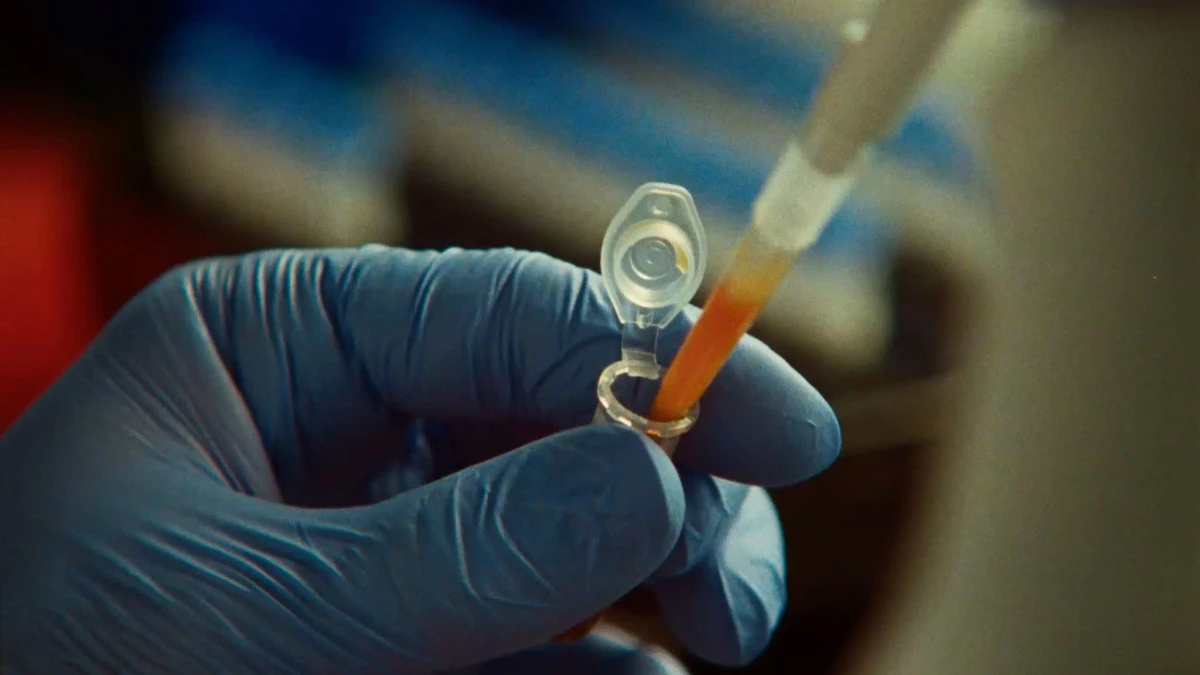
Anthropic reports that agents surveyed more than 200,000 reverse transcriptases, narrowed 3,500 candidate systems to 20 for closer review, and found the pattern after about 21 hours of parallel searching. The company says human researchers then tested the candidate and observed that its repeat array is expressed as distinct short RNAs.
An early result, not a gene-editing tool
The finding is preliminary: Anthropic says the system’s function is not yet known and further experiments are underway. The company has released a technical preprint; an external scientist quoted in the announcement called the result intriguing and said it merits further investigation, not that its mechanism or applications have been established.