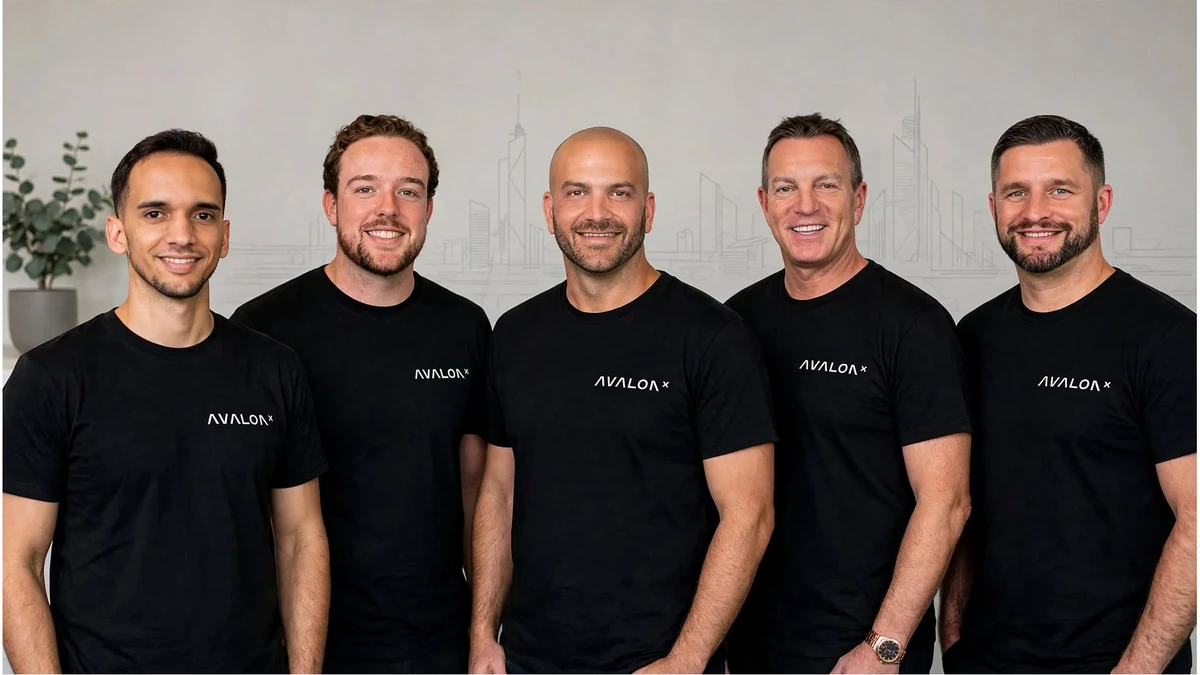
AvalonX emerged from an 18-month development period on October 30 with a service aimed at bringing recurring penetration testing to small and midsize organizations. Its Artemis platform coordinates autonomous agents to examine a customer's approved attack surface, while human testers review findings that require expert judgment.
The company says Artemis uses Aether, a proprietary security model described as having 400 billion parameters and training data spanning nine years of offensive-security work. Those specifications and the company's claims about the breadth of its threat intelligence come from AvalonX itself. The reviewed materials do not provide an independent model audit or measured false-positive and false-negative rates.
The service emphasizes authorized scope. Customers specify domains, addresses and testing rules before an assessment, and the company says its agents can investigate how weaknesses combine into an attack path. This matters because automated security testing can create operational risk when systems probe targets outside approved boundaries; a clear scope and human review are essential safeguards.
AvalonX publishes a free initial assessment and paid plans beginning at $249 per month for quarterly penetration testing. The pricing page distinguishes monthly and weekly testing tiers, rather than claiming that every subscriber receives continuous full penetration tests every day. External assessments are described as requiring no software installation.
Ridown Capital's backing is described as a facility of up to $10 million. That wording does not establish that the entire sum has already been drawn or transferred, nor does it provide a valuation or a conventional financing-round stage. The commercial launch and the potential funding commitment are distinct facts.
The launch highlights growing interest in using agents for defensive security operations. Yet there is no independently verified evidence in the reviewed sources that AvalonX matches the effectiveness of a mature human red team, and its marketing statements about speed and coverage should be tested against real customer outcomes. The material change is that the service is publicly offered, not that its promised security benefits have been proved.