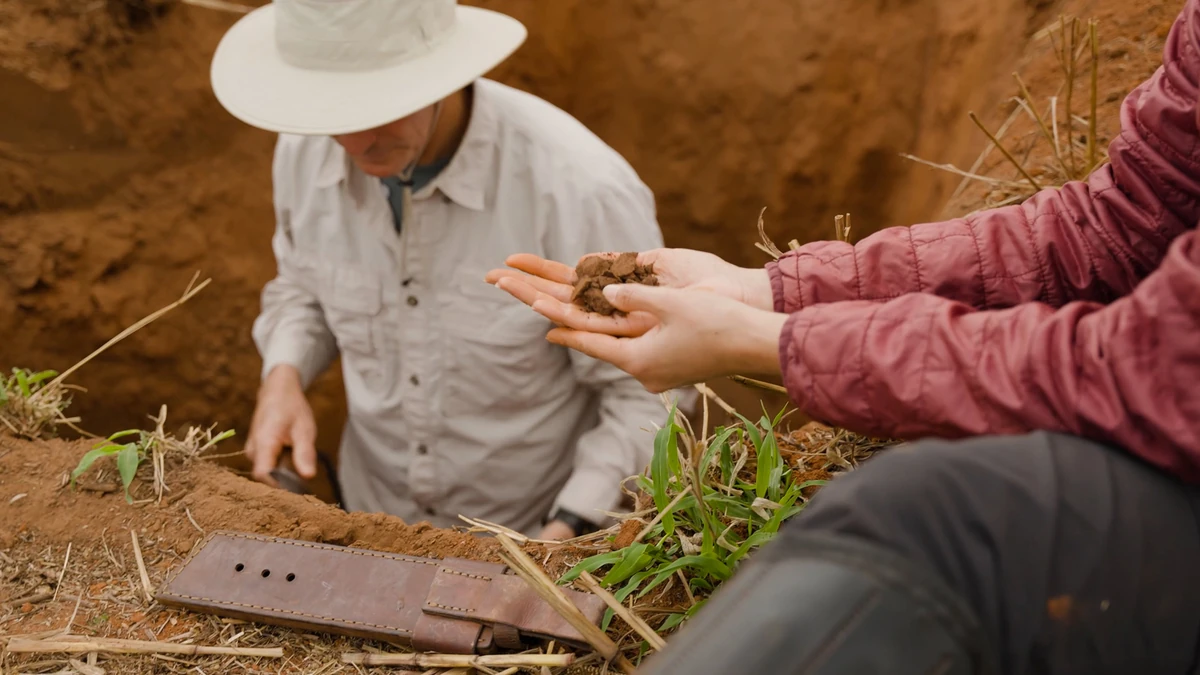
Microsoft and climate-removal company Terradot are developing TerraNova, an AI model intended to make enhanced rock weathering easier to measure and less costly. The approach spreads finely crushed rock on farmland, where it reacts with rainwater and carbon dioxide and can remove carbon from the atmosphere.
TerraNova builds on Aurora, Microsoft’s foundation model for weather and environmental conditions. The companies adapted it with Terradot’s scientific data from fields where it works with farmers to predict chemical changes in soil. Better estimates of which fields have potential, and how much rock reacts, could help plan projects and account for carbon removal.
Microsoft’s report describes the findings as early and says a preprint is forthcoming ahead of peer review. That leaves the model’s performance and its effect on project costs or measured carbon removal unconfirmed by peer-reviewed evidence in the announcement.
The collaboration applies environmental forecasting technology to a climate-removal measurement problem. The source establishes a development effort and a proposed use, not a validated carbon-credit method or proof that TerraNova has already reduced removal costs at scale.